


MASS SCHEDULE
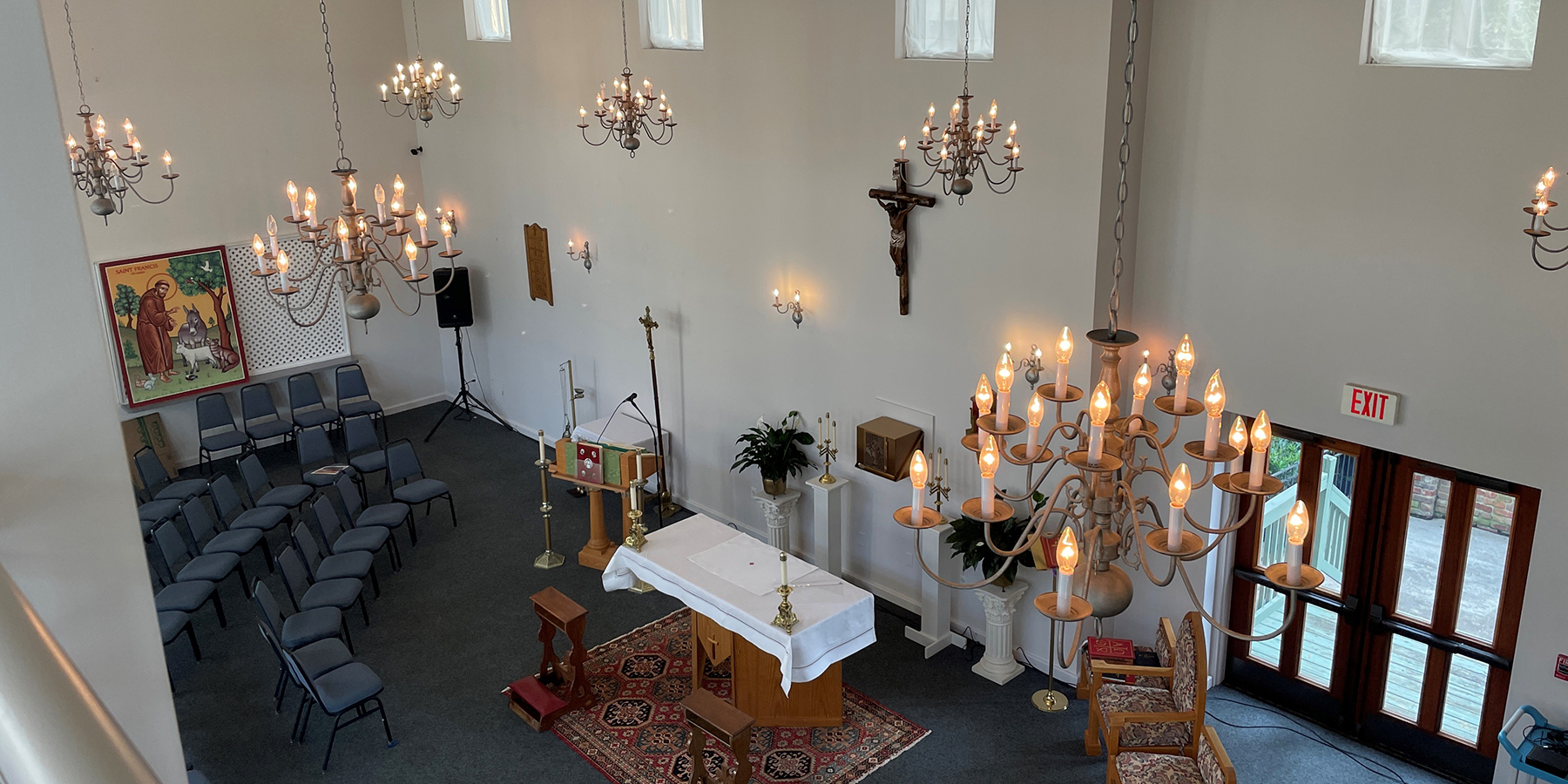
Regular schedule for Mass at St. Francis Church. Note that, because of the current renovation of the interior of St. Francis Church, all Masses are held in Assisi Hall. If you are coming from Augusta Street, the hall is located to the right of the church, across the grassy courtyard.
- Weekends: Vigil Mass on Saturdays at 5 p.m., Mass on Sundays at 7, 8:30, and 11:30 a.m.
- Weekdays: Mass on Tuesday at 5:30 p.m., Wednesday at 7 a.m., Thursday and Friday at 12 noon, First Saturday at 10 a.m.
In addition, the Sacrament of Reconciliation takes place on Tuesdays from 4:00 to 5:15 p.m. and on Saturdays from 3:30 to 4:45 p.m.
Check the specific schedule for the current week on the website.
RENOVATION PHOTO GALLERY
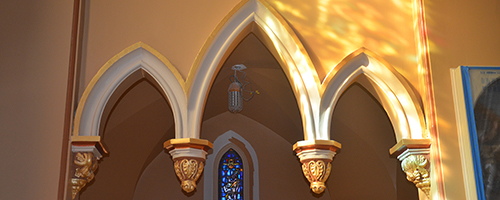
A gallery of photos of the renovation of the interior of St. Francis Church has been posted on this website.
WELCOME TO ST. FRANCIS
We offer a special welcome to visitors to this site and invite you to learn more about St. Francis Parish. There are several ways to stay in touch with what is going on in the parish:
- Sign up to receive news and notifications via text or email from Flocknote
- Read the weekly bulletin, available online
- Check the news section of this website
- And you can learn more about the long history of the parish by checking the history section of this site and taking the tour of the church section as well.
- All parishioners are encouraged to register with the parish. The registration form is available online.
- To contact the parish staff or find directions to the church, visit the contact page of this site.
2024 DIOCESAN APPEAL
The parish still seeks support from parishioners for the 2024 Annual Diocesan Appeal. See the Richmond Diocese website for more details about this important appeal.
ADULT FAITH FORMATION: SUNDAY AND WEDNESDAY
Adult Faith Formation begins Bishop Robert Baron’s series, “Priest, Prophet, King,” on Sunday, April 21. The group meets on Sundays at 10 a.m. in Columbian Hall (located on the fourth floor of Assisi Hall), and there is also a meeting on Wednesdays at 6 p.m. in the Conference Room (located near the parish office).
INTERIOR RENOVATION OF ST. FRANCIS
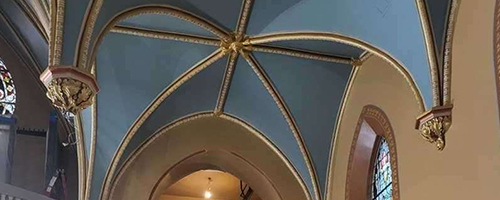
It has been over 30 years since the inside of our beautiful church has been renovated, and your gift will enable us to restore and reimagine a church interior that maintains the focus on Our Lord Jesus and His Sacraments. This will be a renovation that fixes problems caused by walls’ deteriorations a few years back, long-ago created problems based on previous modifications, and long-term wear and tear associated with age. Floors and walls, plaster and paint, lighting and sound, better accessibility and better use of the existing space we already have are important parts of this transforming campaign.
Your gift gives us an exciting possibility to move forward as a parish. One-time gifts or pledges for a 3- or 5-year period are welcome and can be made at this site.
CHAMBER ORGAN IN ASSISI HALL
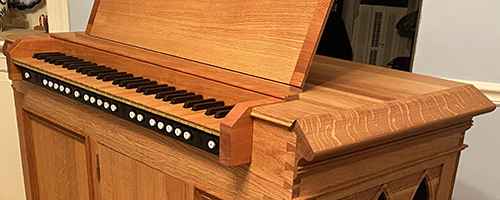
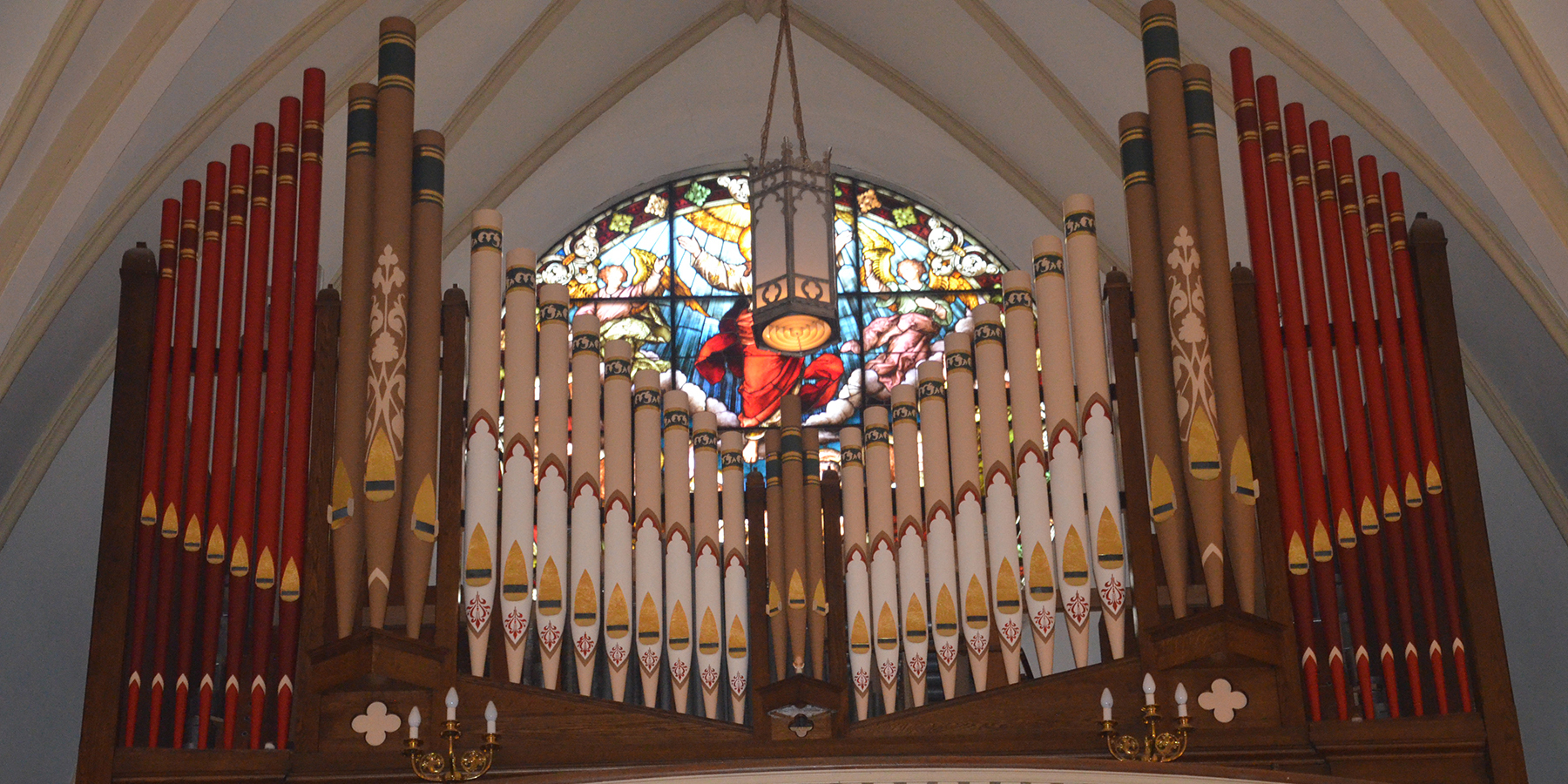
Soon after the renovation of the St. Francis Church interior began in July 2023, a chamber (or digital) organ, built by a talented and generous parishioner, was installed in Assisi Hall. The instrument is now used for Masses held in the hall. For a description of the organ, images of it, and more information on digital organs, visit the music section of the parish website.
ST. FRANCIS YOUTH
All St. Francis teenagers are invited to join our Youth Group as we explore and strengthen our faith together. Meetings are typically Tuesdays after the 5:30 p.m. Mass, and there are also weekend social events throughout the year. Grab a slice of pizza and have real discussions with other teens in relaxed and fun way.
MORNING PRAYER
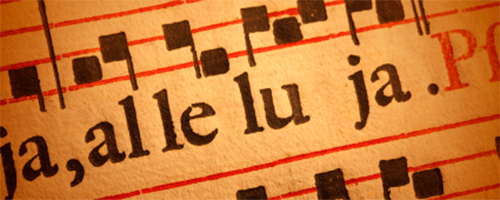
The St. Francis Schola leads the office of Morning Prayer, including beautiful, contemplative psalm melodies, every Thursday at 7 a.m. in the church. Parishioners are invited to start the day off with the official prayers of the universal Church.
THE CROSS OF CHRIST
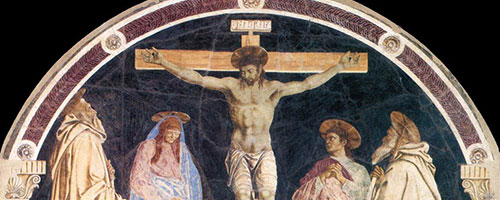
From the Catecheses by Saint Cyril of Jerusalem, bishop
The Catholic Church glories in every deed of Christ. Her supreme glory, however, is the cross. Well aware of this, Paul says: God forbid that I glory in anything but the cross of our Lord Jesus Christ! At Siloam, there was a sense of wonder, and rightly so. A man born blind recovered his sight. But of what importance is this, when there are so many blind people in the world? Lazarus rose from the dead, but even this affected only Lazarus. What of those countless numbers who have died because of their sins? Those five miraculous loaves fed five thousand people. Yet this is a small number compared to those all over the world who were starved by ignorance. After eighteen years a woman was freed from the bondage of Satan. But are we not all shackled by the chains of our own sins? For us all, however, the cross is the crown of victory! It has brought light to those blinded by ignorance. It has released those enslaved by sin. Indeed, it has redeemed the whole of mankind!
LEGACY GIFTS TO A PARISH...AND A FREE WILL AS WELL
Legacy gifts reveal our faith to our community as a witness of God’s great love for us. The Catholic Community Foundation of the Diocese of Richmond is excited about its partnership with FreeWill and the valuable legacy giving resources they provide for parishes, schools, and campus ministries. Through these resources, including an online Will platform, the Foundation can ensure that all practicing Catholics have an updated Will with a parish, school, and/or ministry named as a beneficiary or beneficiaries.
In August, the CCF raised $1,366,000 in bequests through FreeWill for parishes and schools using FreeWill! Parishioners across the diocese used FreeWill’s platform to create their Will and named their parish and/or a school as a beneficiary. As of December 31, there were $12,000,000 in bequests through FreeWill. No one imagined just how many people would use the FreeWill platform to create their Will. It really is a testament to the statistic that more than 67% of Americans do not have a Will.
Find out more at the website.
“FORMED” SUBSCRIPTION
With a subscription to “Formed,” every St. Francis parishioner has 24/7 access to the best Catholic content on any device, including your computer, smartphone, and tablet with internet access. “Formed” offers video programs that explain the Catholic faith, explore the deepest meaning of marriage, receive Bible studies on a variety of topics, and listen to inspiring audio talks. Presenters include Dr. Tim Gray, Dr. Edward Sri, Dr. Mary Healey, Chris Stefanick, Dr. Scott Hahn, Bishop Robert Barron, and many more.
It is very easy to begin your free subscription to “Formed”: Go to www.formed.org. Under “How would you like to sign up?” select “I belong to a Parish or Organization.” Enter the parish code: VVW3G4. Enter your name and email address, and that’s it.